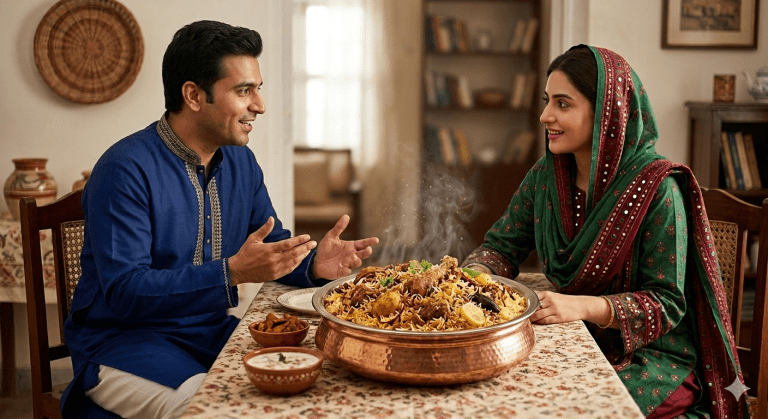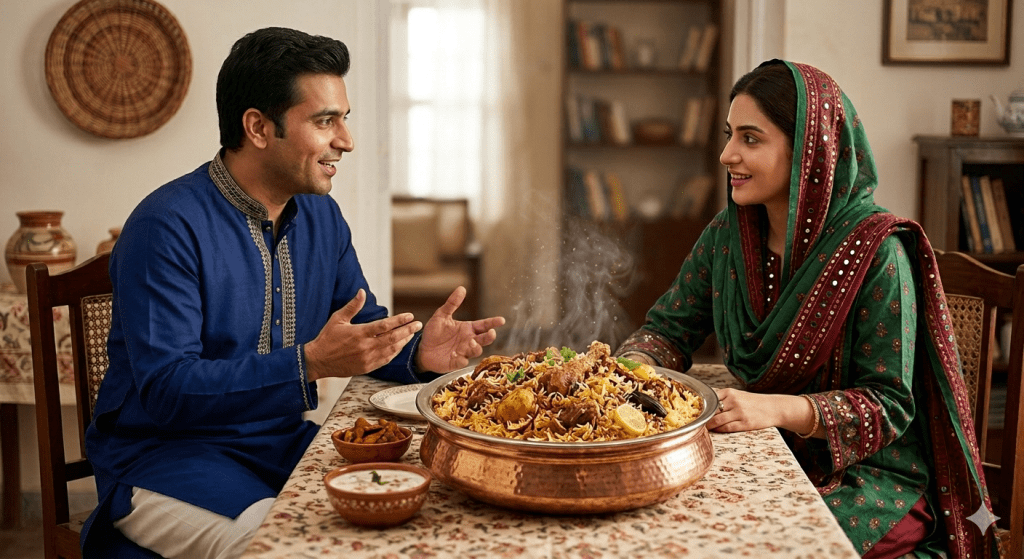
Why This Debate Matters (Biryani Discussion India vs Pakistan)
If you’ve ever tasted biryani, you already know one thing this isn’t just food. It’s emotion, culture, and identity served on a plate. In this Biryani Discussion India vs Pakistan, we explore how two nations have turned one iconic dish into a powerful expression of tradition, flavor, and pride.
RECOMMENDED POST: Agriculture WhatsApp Group Link 2025 – Join Now
And if you’ve ever spent time around people from India or Pakistan, you’ve probably heard this question:
“Who makes the best biryani?”
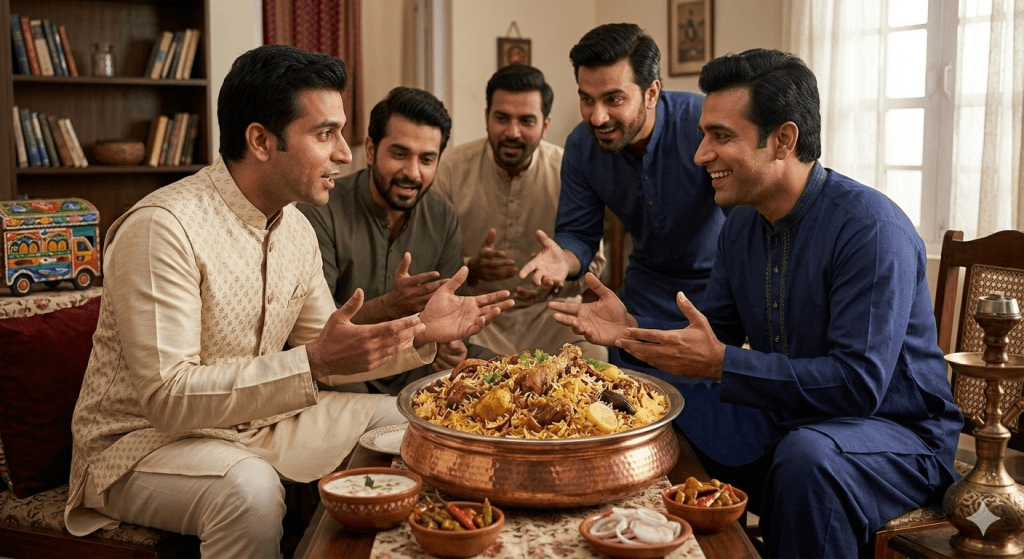
This Biryani Discussion India vs Pakistan answers that question in a real, practical, and honest way—no politics, no bias, just food, culture, and clearly explained facts.
Whether you’re in Nigeria, Africa, or anywhere in the world, this guide will help you:
- Understand both styles clearly
- Know what makes each one unique
- Learn how to cook them yourself
- And decide which one fits your taste
What You’ll Learn
- The real difference between Indian and Pakistani biryani
- Step-by-step cooking methods for both styles
- Regional variations that change everything
- Which one is better for your taste preference?
- Common mistakes people make in this debate
- A simple guide to cooking biryani at home
Disclaimer
This guide is based on traditional cooking methods and widely available food knowledge. Recipes and techniques may vary depending on region, ingredients, and personal style.
Requirements may change depending on ingredient availability and cooking tools.
What Is Biryani Really?
Before comparing, let’s get one thing clear:
There is no single “correct” biryani.
Biryani is simply:
- Rice
- Meat (or vegetables)
- Spices
- Herbs
RECOMMENDED POST: Join Best Shopping WhatsApp Group Link
But how these are combined is what creates the difference.
Think of it like Jollof rice in Africa Nigeria, Ghana, and Senegal all make it differently, yet each version is valid.
A Brief History (Why They’re Different Today)
Biryani originally came from Persian and Mughal cooking traditions. When the Mughal Empire spread across South Asia, it introduced rice dishes cooked with spices and meat.
Over time:
- In India, biryani became more aromatic and refined.
- In Pakistan, it evolved into a spicier, bolder version
So, today’s difference didn’t happen overnight it’s the result of centuries of cultural evolution.
India vs Pakistan Biryani Key Differences
| Factor | Indian Biryani | Pakistani Biryani |
| Flavor | Mild, aromatic | Bold, spicy |
| Cooking Style | Layered (Dum) | Mixed or layered |
| Spice Level | Moderate | High |
| Oil Content | Balanced | Richer |
| Famous Types | Hyderabadi, Lucknowi | Karachi, Sindhi |
| Texture | Separate grains | Slightly coated rice |
Indian Biryani Explained (Step-by-Step Guide)
Indian biryani is famous for one key technique:
The Dum Method (Slow Cooking)
This method traps steam inside a sealed pot, allowing the food to cook slowly and develop deep aroma.
Let’s break it down.
Step 1: Preparing the Rice
- Basmati rice is soaked for about 30 minutes
- Then partially cooked with spices like cloves and cardamom
- Rice is cooked about 70% — not fully
Step 2: Marinating and Cooking the Meat
- Meat is marinated with yogurt, spices, garlic, and ginger
- Fried onions (birista) are added
- Cook until about 80% done
Step 3: Layering
- Rice and meat are layered in a pot
- Saffron milk and herbs are added
- This is where the flavor builds
Step 4: Dum Cooking
- The pot is sealed tightly
- Cooked on low heat for 20–40 minutes
- Steam stays inside, enhancing flavor
Step 5: Resting and Serving
- Let it rest before opening
- Mix gently when serving
Real Example
In Hyderabad, some restaurants begin cooking biryani before sunrise. The long cooking process is what creates that deep, rich aroma people love.
Pakistani Biryani Explained (Step-by-Step Guide)
Pakistani biryani focuses on one main thing:
Bold Flavor and Strong Masala
Step 1: Build the Masala Base
- Oil is heated
- Onions are fried deeply
- Tomatoes, chili, and spices are added
Step 2: Cook the Meat
- Meat is fully cooked inside the masala
- It absorbs all the flavor
Step 3: Add Rice
- Rice is cooked separately
- Then layered or mixed with the masala
Step 4: Final Steam
- Steamed briefly (10–20 minutes)
- Helps blend everything together
Step 5: Garnishing
- Add fried onions, herbs, and lemon
- Serve with yogurt (raita)
Real Example
In Karachi, street vendors serve biryani so spicy that sweating while eating is considered normal. That’s part of the experience.
Regional Variations That Change Everything
Most people don’t realize this:
There isn’t just one type of Indian or Pakistani biryani.
India
- Hyderabadi → Rich and aromatic
- Lucknowi → Mild and refined
- Kolkata → Includes potatoes
Pakistan
- Karachi → Spicy and bold
- Sindhi → Tangy and spicy
- Lahori → Balanced flavor
Important Tip:
Always ask which type someone tried before comparing
Key Ingredients and Why They Matter
Saffron (Indian Style)
Adds aroma and color. Expensive but powerful.
Tomatoes (Pakistani Style)
Creates a rich, tangy base.
Fried Onions
Adds sweetness and depth.
Yogurt
Tenderizes meat and balances flavor.
Whole Spices
Cardamom, cloves, cinnamon — these define the aroma.
Which One Is Better? Honest Answer
Here’s the truth:
It depends on your taste.
Choose Indian Biryani If:
- You like mild food
- You enjoy aroma
- You prefer balanced flavors
Choose Pakistani Biryani If:
- You love spicy food
- You enjoy bold flavors
- You prefer rich meals
There is no universal winner.
Common Mistakes People Make
- Judging based on one experience
- Ignoring regional differences
- Focusing only on spice level
- Comparing poorly cooked versions
How to Cook Both Styles at Home Ingredients
- Rice
- Meat
- Onions
- Garlic & ginger
- Spices
Simple Steps
- Cook rice halfway
- Prepare meat
- Choose style:
- Layer (Indian)
- Mix (Pakistani)
- Steam for 20–30 minutes
Pro Tip
Biryani takes time. Don’t rush it.
Why This Debate Goes Viral
This debate isn’t really about food.
It’s about:
- Identity
- Culture
- Pride
Just like Jollof rice debates in Africa.
Frequently Asked Questions
Is Pakistani biryani always spicy?
Yes, but you can adjust it.
Is Indian biryani less flavorful?
No it’s just less spicy.
Can beginners cook biryani?
Yes, with practice.
If you’re trying to choose between Indian and Pakistani biryani:
Try both.
That’s the only real answer.
Food is not a competition — it’s an experience.
What Do You Think?
- Which one do you prefer?
- Have you tried both?
- Which side are you on?
Drop your opinion let’s hear it.
Author Bio
Written by a research-driven travel and food writer focused on helping African audiences understand global cuisine in a simple and practical way.